



Burberry
تومان938,026,250


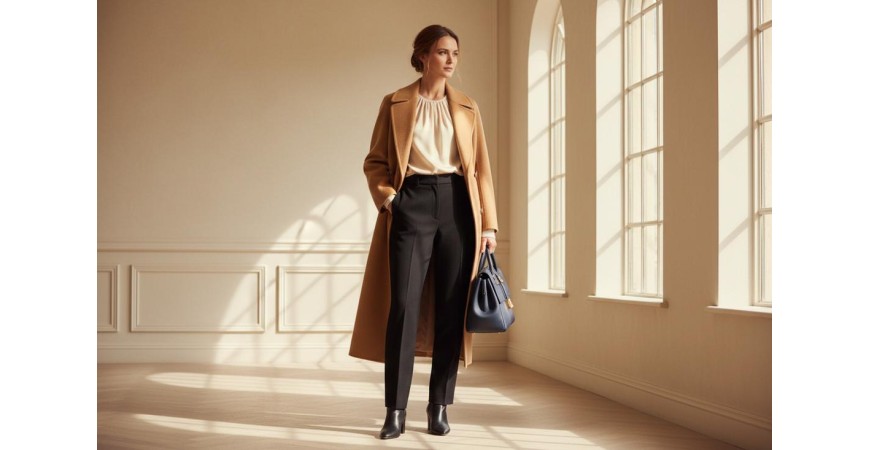
When temperatures begin to drop, a coat becomes more than a practical layer. It can define the mood of an entire outfit, bring different pieces together, and make everyday dressing feel more considered. That is why choosing the right coat involves more than following the latest runway looks. The best option should also suit your lifestyle, fit comfortably over your usual layers, and work with the clothes you already own.
So, what women's coats are in style this year? Fall and winter 2026 collections offer a varied selection, from sculptural collars and cocoon-like silhouettes to wrap coats, faux fur, textured fabrics, and updated trench designs. The common theme is a balance between recognisable classics and details that make them feel new. Recent runway coverage from Vogue and Marie Claire highlights these directions across the season's outerwear collections.
Here is how to understand the key trends and choose a coat that feels current without becoming difficult to wear.
Long coats remain a useful foundation for a fall and winter wardrobe. Their appeal comes from their versatility: they can cover several layers, work with different trouser shapes, and create a continuous line through an outfit.
A coat that falls below the knee can work particularly well with straight-leg trousers, wide-leg styles, midi skirts, and knit dresses. An ankle-length design creates a more dramatic effect, but it is worth considering its weight and how easily you can move in it. Length should support your routine rather than make walking or commuting inconvenient.
Neutral shades such as black, charcoal, navy, camel, and chocolate brown are easy to combine with existing wardrobe staples. If you already own several neutral coats, a deep burgundy or rich purple option can introduce a different mood without requiring you to replace the rest of your wardrobe.
The key is proportion. A long coat with defined shoulders can look polished with wide trousers, while a softer, flowing design may work better with simple layers and understated footwear.
Oversized outerwear continues to offer a relaxed alternative to sharply tailored designs. For fall and winter 2026, rounded, cocoon-like shapes and exaggerated proportions are among the silhouettes worth exploring. Recent runway coverage has highlighted coats with sloping shoulders, generous volume, and sculptural forms.
However, oversized does not automatically mean better. A well-designed loose coat should leave room for knitwear while still allowing comfortable movement. Pay attention to the shoulder line, sleeve length, and how the fabric falls when the coat is buttoned.
To balance a voluminous silhouette, consider straight-leg trousers, a simple knit, and boots with a clean shape. Wide-leg trousers can work too, especially when the coat's length and proportions are chosen carefully. The goal is not to make every part of the outfit fitted, but to create a deliberate relationship between the different volumes.
Before buying, try the coat over the thickest sweater you expect to wear underneath. Check whether you can raise your arms comfortably and whether the sleeves remain practical during everyday activities.
Belted coats are useful for anyone who wants the warmth of outerwear without losing a sense of shape. The belt can define the waist, change the proportions of a loose silhouette, and make a long coat look more structured.
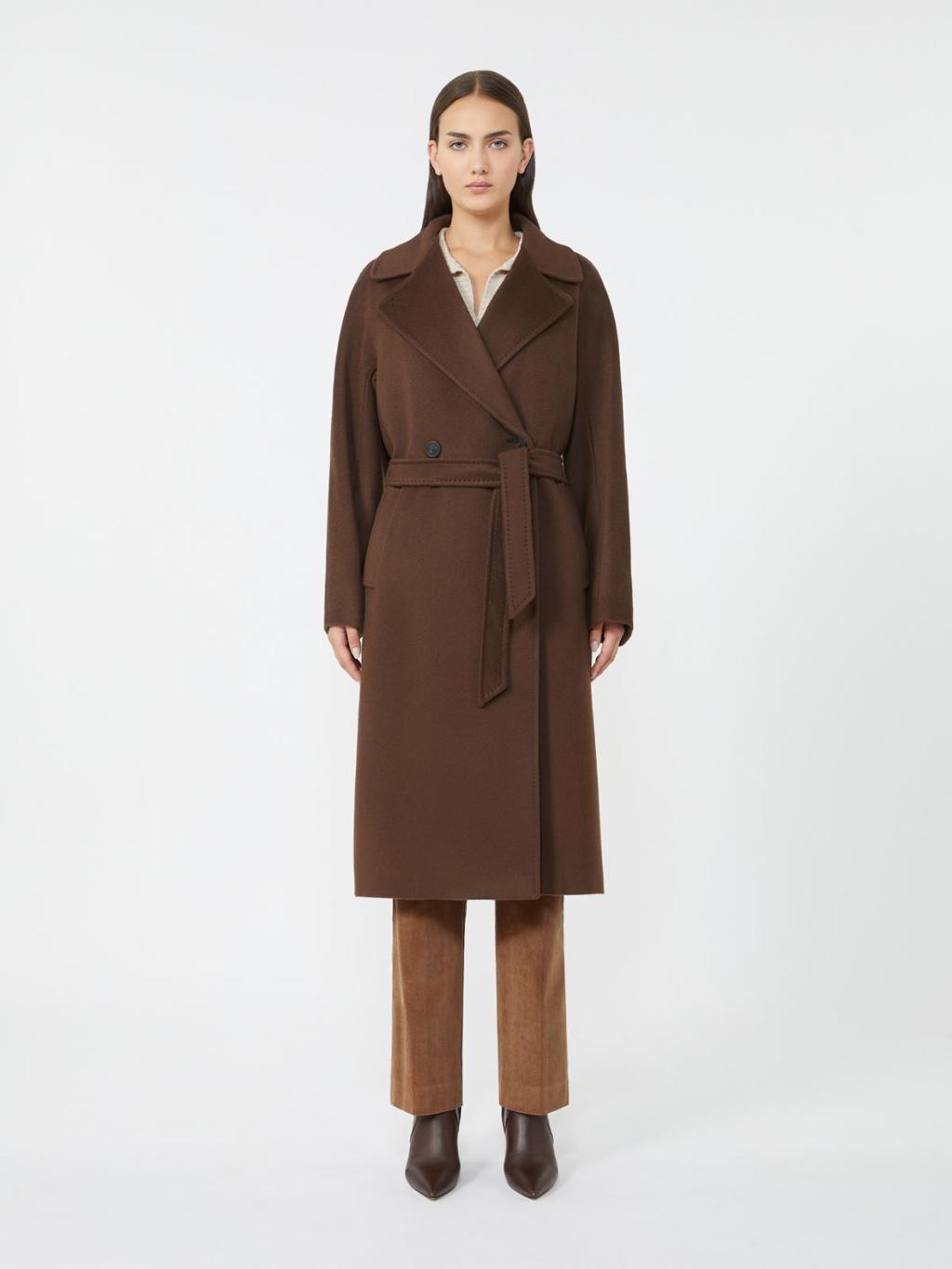
This season, wrap and robe-inspired coats offer a softer interpretation of traditional tailoring. Rather than relying on rigid construction, they use draping and adjustable closures to create a relaxed but considered appearance.
Fabric matters here. A material with a good drape tends to fall naturally when tied, while a stiff or bulky fabric may create too much volume around the waist. Check the belt loops, stitching, and fastening details, as these small elements affect how well the coat performs over time.
For everyday wear, try a belted coat with tailored trousers and a fine-gauge knit. For a more formal outfit, choose a clean trouser cut and coordinated footwear. Also consider how the coat looks when worn open. A design should still feel balanced when you choose not to tie the belt.
One of the notable outerwear directions for fall and winter 2026 is the emphasis on collars and shape. Funnel-neck designs, pronounced shoulders, and clean architectural lines give classic coats a more contemporary appearance.
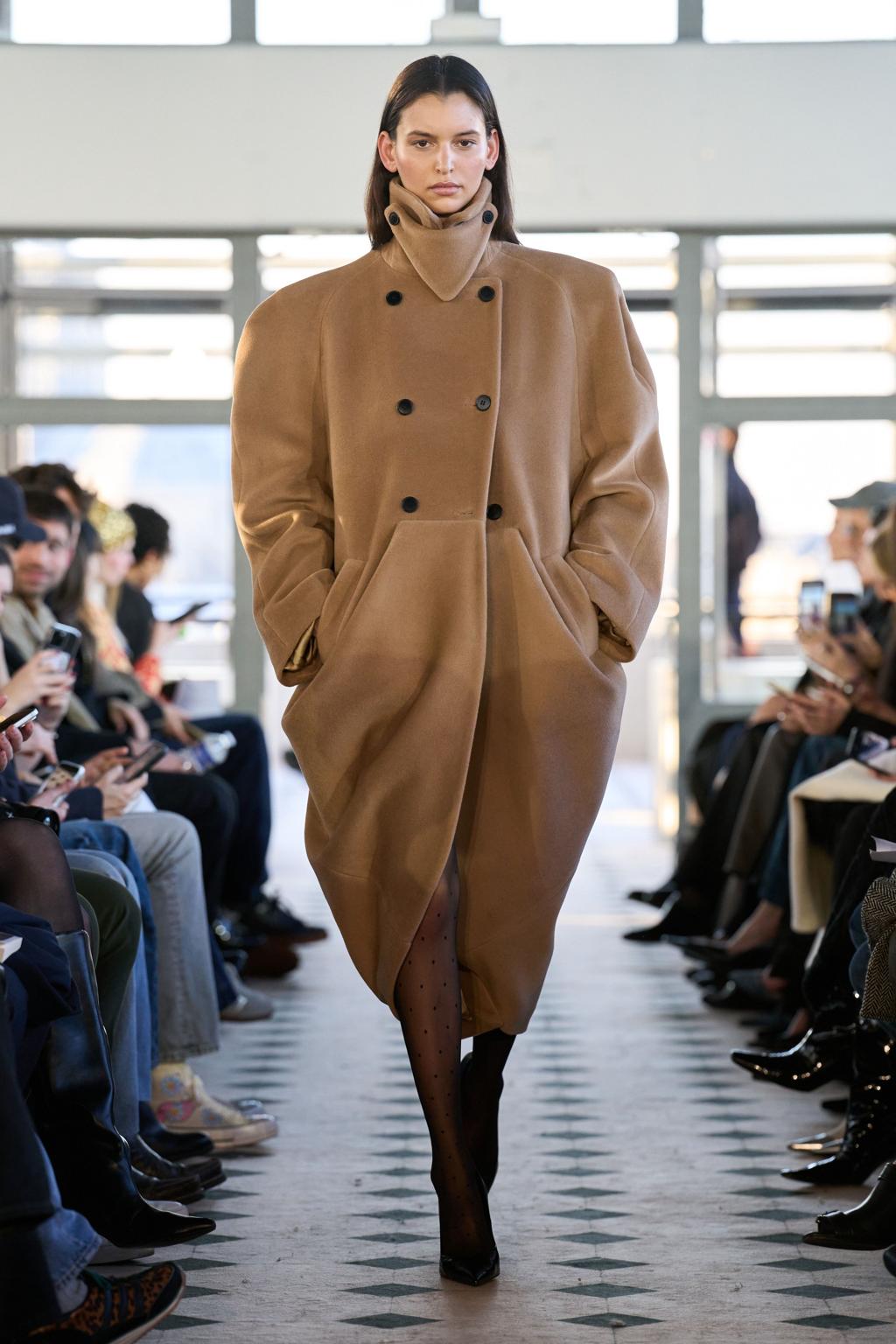
A high collar can also provide extra coverage around the neck in windy weather. Its practicality depends on the design, though. Make sure the collar does not press uncomfortably against your jaw or restrict head movement when fastened.
Structured coats work well with simple pieces because their shape already provides visual interest. Straight-leg trousers, understated boots, and a bag with a defined silhouette can complement the look without competing with it.
If your wardrobe includes patterned knitwear, statement jewellery, or elaborate accessories, a more minimal coat may be easier to style. Conversely, a clean wardrobe can benefit from a coat with a distinctive collar or carefully shaped shoulders.
Cape coats and wrap designs offer a different approach to winter layering. Instead of relying entirely on conventional sleeves and shoulder construction, they use flowing fabric and generous shapes to create movement.
These designs can look elegant over a fine knit, a tailored outfit, or a simple dress. They are particularly interesting when you want outerwear that feels distinctive without depending on a bold print or bright colour.
Practicality is important, however. Some cape designs make it harder to carry a large bag, drive comfortably, or move your arms freely. If you commute frequently or need unrestricted movement throughout the day, check these details before choosing a dramatic silhouette.
To keep the overall outfit balanced, pair a cape with simple trousers and footwear with a clear shape. Since the outer layer already adds volume, too many oversized pieces underneath can make the outfit feel less intentional.
Texture is another important part of the fall and winter 2026 outerwear conversation. Faux-fur coats, shearling-inspired finishes, jacquard patterns, and decorative trims can add depth to an outfit without relying on complicated layering.
Vogue's coverage of the season's coat trends includes faux-fur outerwear, shaped shearling, patterned designs, and jacquard pieces. These options range from understated textures to statement-making coats that become the focal point of an outfit.
If you choose a textured coat, consider keeping the rest of the look relatively simple. A patterned coat can work with solid-colour trousers and minimal boots, while a plush faux-fur design may pair well with clean tailoring.
Before buying, check the weight, lining, stitching, and care requirements. A coat should be practical for the climate in which you intend to wear it. A visually appealing texture is only one part of a successful purchase; comfort and durability matter just as much.
Black, charcoal, navy, camel, and brown remain useful choices because they can work across a wide range of outfits. They are particularly practical if you want one coat that can be worn repeatedly throughout the season.
For a more expressive look, consider burgundy, deep purple, or another saturated shade that complements your existing wardrobe. Rich colour stories have appeared in fall 2026 fashion coverage, alongside traditional neutrals and more elaborate textures.
You do not need to buy a statement colour simply because it appears in trend reports. Instead, think about the trousers, knitwear, shoes, and bags you wear most often. A colour that works with those pieces will generally be more useful than one that looks exciting but is difficult to combine.
If you already own a dependable neutral coat, a more distinctive colour can add variety. If this is your first major winter coat purchase, a versatile shade may provide more opportunities to wear it.
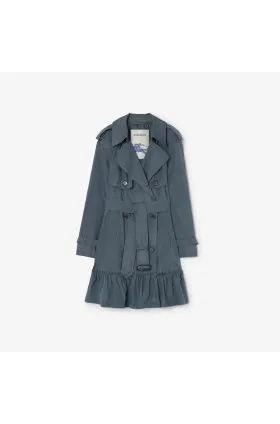
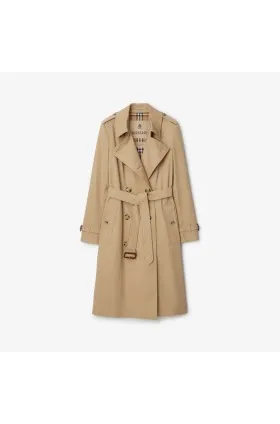
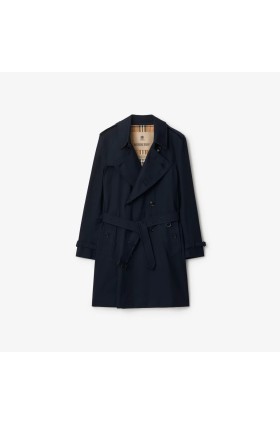
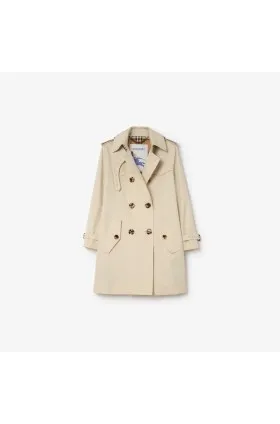
Women's trench coats remain relevant because their classic design can adapt to different outfits and changing weather. Belted waists, double-breasted fronts, and defined collars make them recognisable, while newer interpretations introduce different proportions and collar shapes.
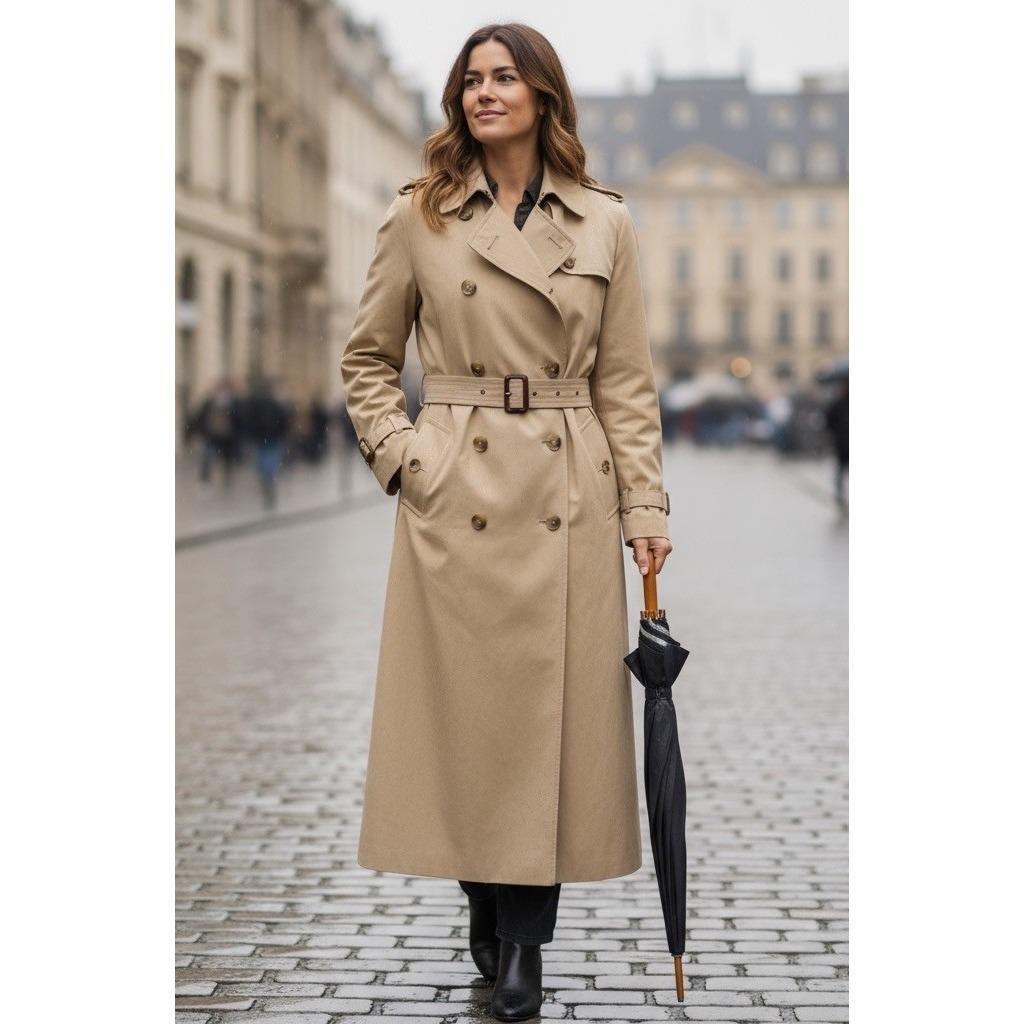
A trench is usually more suitable for transitional weather than a thick wool winter coat. Its warmth and weather protection depend on the fabric, lining, and construction, so it is important to check the actual product specifications rather than assume that every trench is waterproof.
Women's raincoats serve a more weather-focused purpose. If you live somewhere with frequent rain, look for a material that offers appropriate water resistance, practical closures, and enough room for a light layer underneath. Breathability can also matter if you expect to walk long distances in it.
A traditional trench can work with tailored trousers, denim, dresses, and ankle boots. A raincoat may be more practical for wet commutes and outdoor activities. The right choice depends on whether your priority is style, weather protection, warmth, or a combination of all three.
Trends can provide inspiration, but they should not be the only basis for a purchase. A coat may look striking in a campaign image yet remain unworn if it does not fit your routine or work with your wardrobe.
Start with three considerations: function, construction, and versatility. If you commute every day, weight and freedom of movement may matter most. If you spend much of your time in formal settings, clean tailoring and fabric quality may take priority. If you need a coat for colder conditions, lining, insulation, and the ability to layer become more important.
Try to imagine at least three outfits using pieces you already own. Can you wear the coat with your usual trousers? Does it work with your current boots? Can you layer a warm sweater underneath without feeling restricted?
Inspect the seams, buttons, lining, pockets, and fabric finish. Consider how the coat should be cleaned and stored, too. A practical design that holds its shape and works with several outfits can offer better long-term value than a trend-led purchase that only suits one specific look.
One common mistake is choosing a coat based only on how it looks on a model. Height, body proportions, the thickness of the layers underneath, and footwear can all affect the final result. Check the shoulder fit, sleeve length, chest room, and overall hemline.
Another mistake is ignoring fabric weight and weather conditions. A heavy coat can become tiring during a long commute, while a lightweight design with little insulation may not be enough for freezing temperatures. Similarly, a wool coat, a faux-fur style, a trench, and a raincoat do not provide the same level of protection.
It is also worth avoiding purchases that require you to replace several other wardrobe pieces just to make one coat work. Versatility is especially valuable when buying a major seasonal item. Think about the clothes you genuinely wear, not only the outfits you would like to recreate.
Finally, consider maintenance. Some fabrics need special cleaning or careful storage. Understanding those requirements before buying can help you choose a coat that remains attractive and practical for longer.
Fall and winter 2026 offer plenty of directions to explore, from long belted coats and cocoon silhouettes to funnel-neck designs, flowing capes, faux fur, and textured statement pieces. Each can be a strong choice when it suits your style, climate, and everyday needs.
If you want a coat that will remain useful beyond a single season, start with a silhouette and colour that work with most of your wardrobe. Then consider adding a seasonal detail, such as a distinctive collar, a textured fabric, or an interesting closure.
The best coat is not necessarily the one receiving the most attention. It is the one you feel comfortable wearing, can combine with different outfits, and will reach for repeatedly throughout the colder months.

Clothing Brands
Please sign in first.
Sign in
Create a free account to save loved items.
Sign in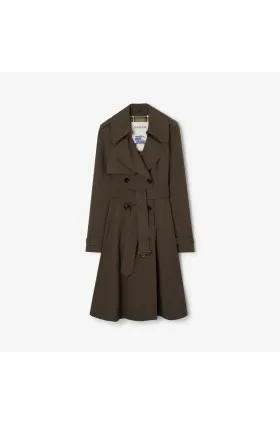
 English
 فارسى