


Women's Jacket Trends: Which Styles Are in Fashion This Year?
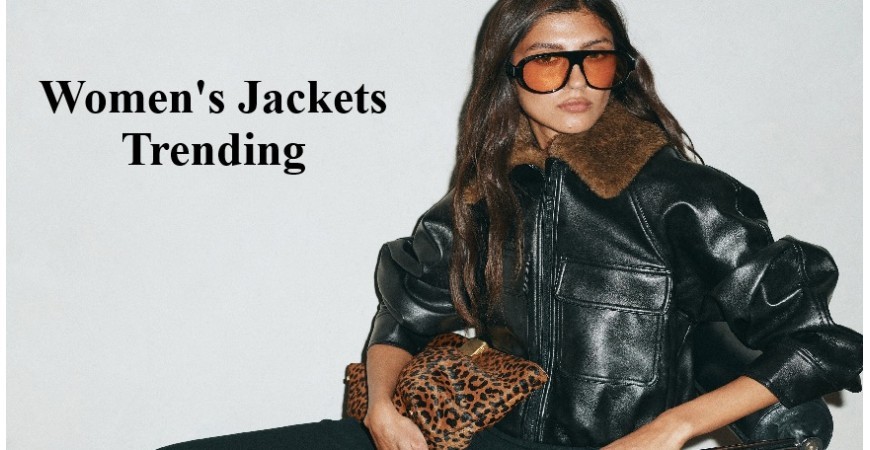
Discover the women's jacket trends for autumn and winter 2026, from voluminous puffer jackets and cropped styles to bold colours, high collars and sporty designs. Explore outfit ideas, practical styling tips and what to look for when choosing a warm, versatile winter jacket.
Table of Contents
- 1. Voluminous Puffer Jackets
- 2. Cropped Jackets and Short Puffers
- 3. Colour Trends: From Chocolate Brown to Vivid Accents
- 4. Oversized Fits and Relaxed Proportions
- 5. High Collars and Funnel-Neck Designs
- 6. Sport-Inspired Jackets and Technical Fabrics
- 7. Quilting, Geometric Lines and Textured Finishes
- 8. Short or Long: Which Jacket Is More Practical?
- 9. How to Style a Jacket with Your Existing Wardrobe
- 10. What to Check Before Buying a Women's Jacket
- Final Thoughts
When temperatures drop, a jacket becomes more than a practical layer. It often defines the shape, mood and overall character of a winter outfit. Volume, length, colour, quilting and neckline can transform even a simple combination of jeans and boots. For autumn and winter 2026, outerwear offers a wide range of directions, including statement puffers, cropped silhouettes, vivid seasonal colours, sculptural collars and sporty designs with technical details.
The best jacket is not necessarily the most dramatic one on the runway. It should suit your climate, daily routine and personal style while working with the clothes you already own. Understanding the difference between a trend worth trying and a practical wardrobe investment makes shopping easier. This guide explores the key women's jacket trends for 2026, explains how to style them and highlights the details worth checking before you buy.
1. Voluminous Puffer Jackets
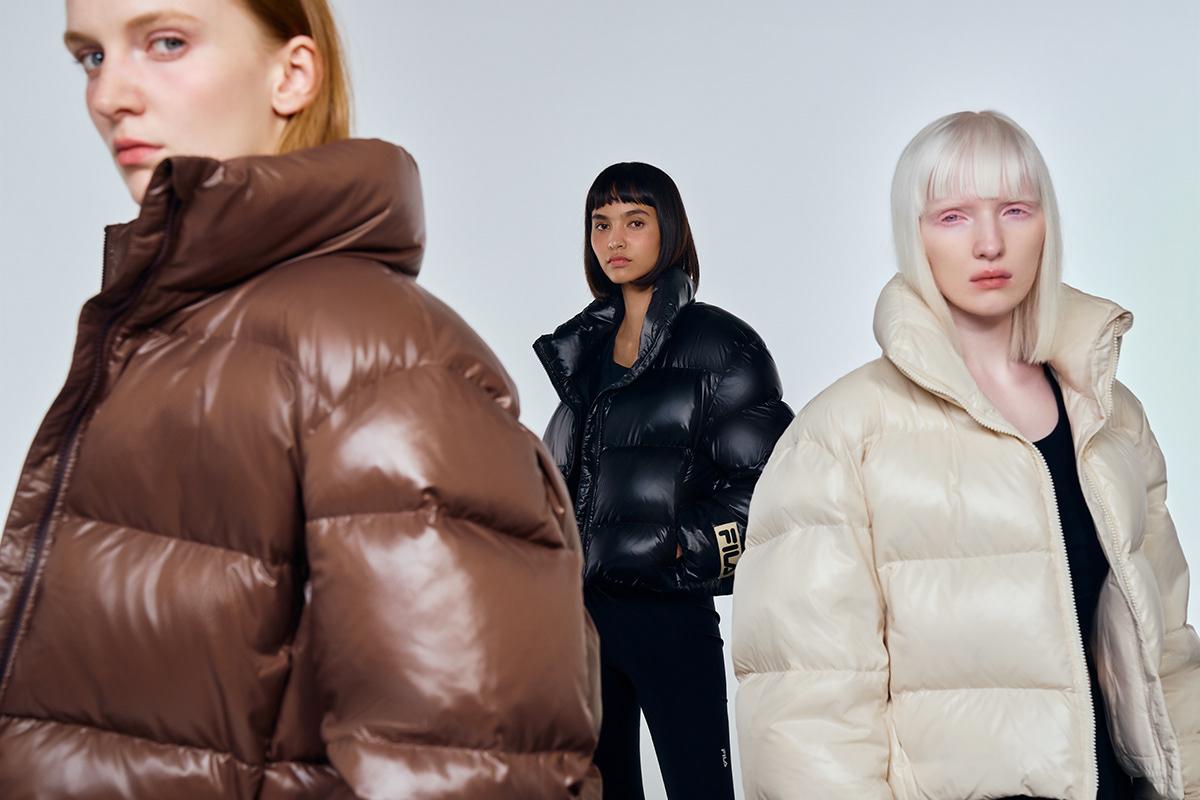
Women's puffer jacket remain an important option for cold-weather dressing, particularly for anyone who values warmth and a relaxed silhouette. In 2026, volume can be a design feature in its own right. Large quilted sections, rounded shapes, exaggerated sleeves and generous proportions make some puffers stand out without requiring elaborate prints or embellishments.
A voluminous puffer can look balanced when paired with straight-leg jeans, tailored trousers or a streamlined skirt. If the jacket is short and rounded, high-waisted trousers can create a clear contrast between the upper and lower halves of the outfit. A longer puffer offers more coverage and may be useful on colder days, although warmth depends on the insulation, lining and construction rather than length alone.
Before buying a statement puffer, consider how it feels when you move. The shoulders should allow comfortable arm movement, the sleeves should not pull when you reach forward, and the fastening should close without straining. A jacket may look impressive in a photograph, but comfort and construction determine whether you will actually wear it throughout the season.
2. Cropped Jackets and Short Puffers
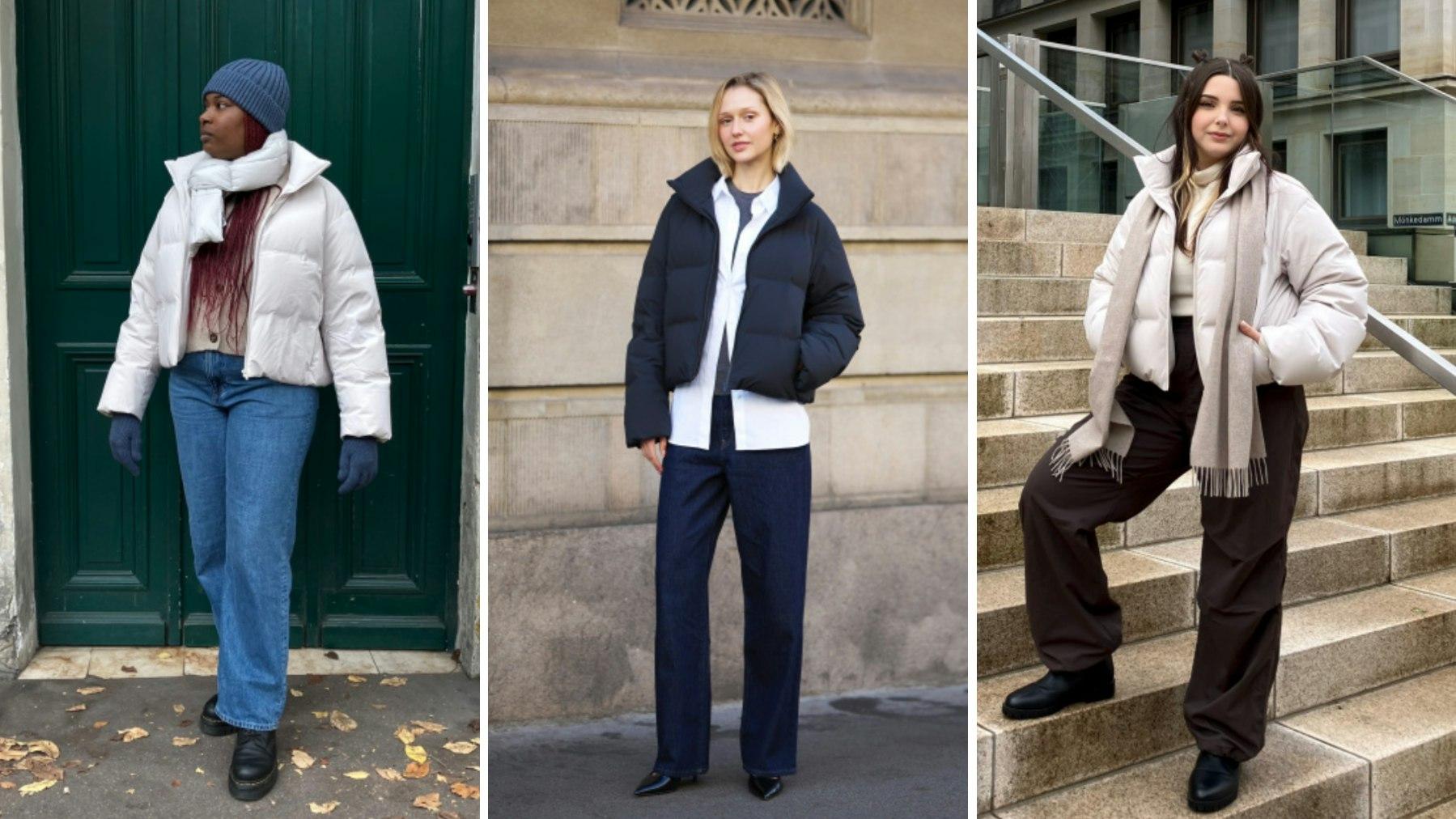
Cropped outerwear continues to offer a fresh way to play with proportions. A shorter hem draws attention to the waistline and works especially well with high-rise jeans, wide-leg trousers and skirts that sit at the waist. The effect can be sporty, polished or playful depending on the fabric and the rest of the outfit.
For an everyday look, style a cropped puffer with straight-leg denim and simple trainers or ankle boots. To make the combination feel more refined, try tailored trousers and a structured bag. On colder days, a fine knit underneath can add warmth without creating excessive bulk around the arms and shoulders.
Women's cropped jacket also work well with longer layers. A longer shirt, a visible knit hem or a high-waisted skirt can create an intentional contrast. The key is to consider where the jacket ends and how that line interacts with the rest of your outfit. A short silhouette is not automatically flattering or practical for everyone, so try different lengths before settling on one.
3. Colour Trends: From Chocolate Brown to Vivid Accents
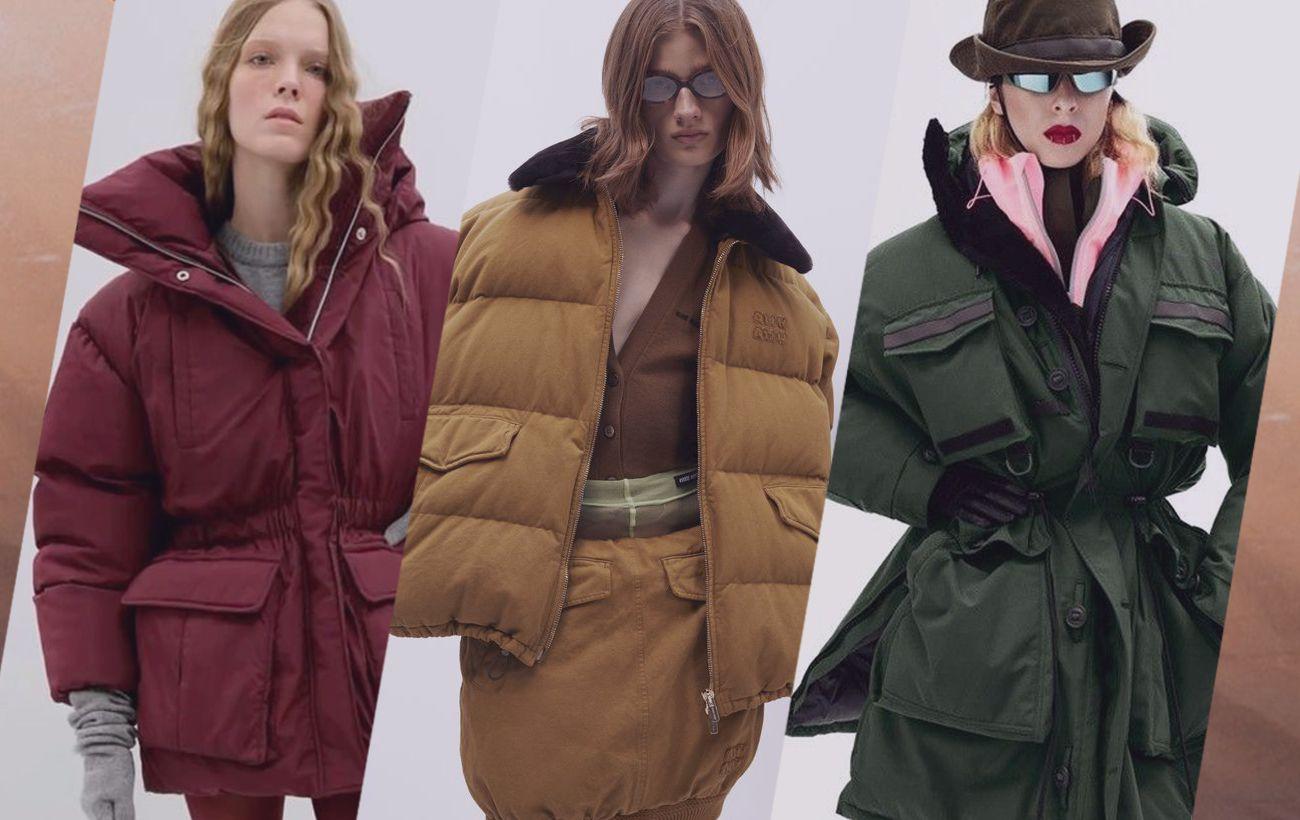
Colour is one of the easiest ways to refresh a winter wardrobe. Black, navy and grey remain dependable choices, but richer shades and brighter accents offer more personality. Fashion coverage of the 2026 season highlights a mix of deep earthy tones and energetic colours, including chocolate brown, olive and vivid yellow. Burgundy, red and other saturated shades can also add depth to cold-weather outfits.
If most of your wardrobe is neutral, a colourful jacket can become the central piece without requiring a complete wardrobe change. A burgundy puffer, for example, works well with black trousers and understated shoes. A dark-green jacket can be paired with blue denim or cream trousers. If you choose a bright yellow or another high-impact shade, keeping the remaining pieces simple helps the colour stand out.
Think about versatility before choosing a colour. A jacket that matches several pairs of trousers, your usual footwear and everyday bags is likely to be more useful than one that only works with a single outfit. A trend colour becomes a smart purchase when it fits your real wardrobe rather than an imaginary one.
4. Oversized Fits and Relaxed Proportions
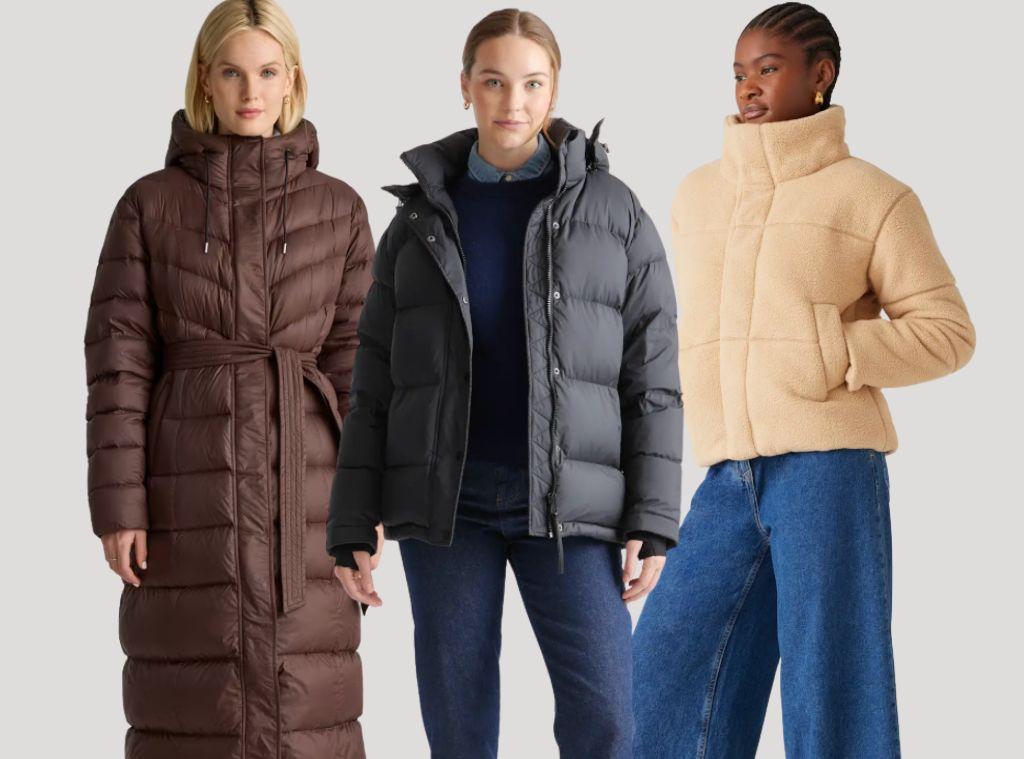
Oversized outerwear offers comfort, room for layering and a deliberately relaxed silhouette. The challenge is to make the volume feel intentional rather than overwhelming. A roomy jacket can look contemporary when its proportions work with the other pieces in the outfit.
One straightforward approach is to pair an oversized jacket with straight-leg trousers or slim, uncomplicated denim. If you prefer wide-leg trousers, pay closer attention to the jacket's length and shape. A cropped oversized puffer may create a different balance from a long, boxy style. Clean footwear and minimal accessories can help keep the outfit cohesive.
Fit still matters, even when a jacket is designed to be oversized. The shoulders should sit comfortably, sleeves should not obstruct your hands, and the garment should stay in place when you move. The goal is extra room, not a fit that constantly needs adjusting. When the cut is well designed, a relaxed jacket can be both practical and stylish.
5. High Collars and Funnel-Neck Designs
High collars and funnel necks are among the noticeable outerwear details in the 2026 fashion conversation. These designs create a sculptural line around the neck and can offer additional coverage on cold or windy days. Some versions rise close to the chin, while others use a softer collar that folds or gathers naturally.
A high-neck jacket can work with straight-leg jeans, tailored trousers or a simple skirt. Because the collar already adds visual weight, a thick scarf may not be necessary. If you do want an extra layer, choose one that fits comfortably without crowding the neckline.
Comfort should guide the final choice. A collar that presses against the face or restricts movement can become irritating during a long day. If you prefer a more open shape, consider a regular collar, a detachable hood or a jacket with an adjustable neckline. A trend is most useful when its design works for your body and routine.
6. Sport-Inspired Jackets and Technical Fabrics
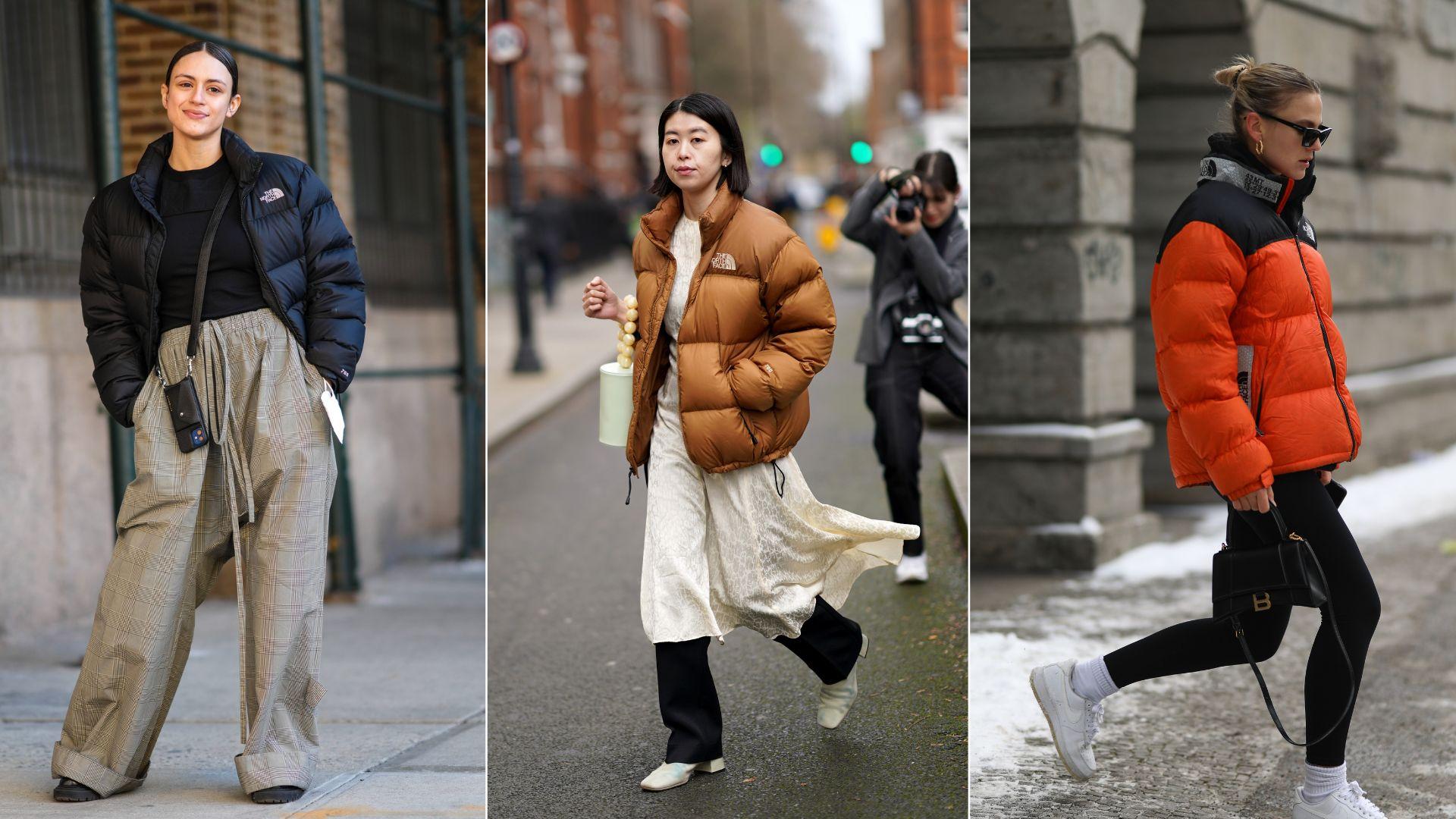
The distinction between sportswear and everyday fashion continues to blur. Wind-resistant shells, lightweight anoraks, hooded jackets and technical outerwear can now be styled with pieces that are not traditionally sporty. Functional details such as drawstrings, practical pockets, adjustable cuffs and water-resistant finishes add utility while contributing to the design.
To make a technical jacket feel more like an everyday fashion piece, try it with dark denim, relaxed tailored trousers or a simple skirt. A clean, single-colour design is generally easier to style than a jacket with several competing details. If the outerwear is bright or heavily contrasted, keep the rest of the outfit relatively quiet.
These jackets can be particularly useful for commuting, travelling and days when the weather changes quickly. However, a technical appearance does not automatically mean a garment is waterproof or highly insulated. Check the product information for its actual weather protection, lining and care instructions before relying on it for cold or wet conditions.
7. Quilting, Geometric Lines and Textured Finishes
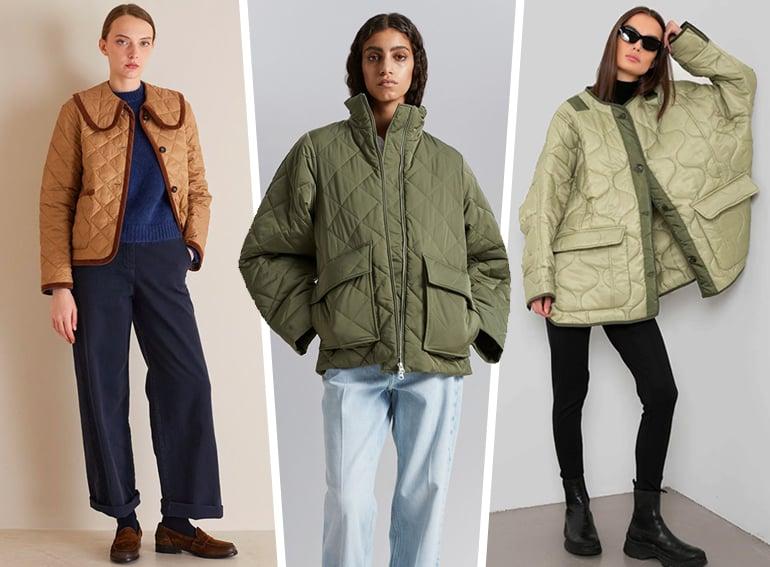
Quilting can change the appearance of a jacket as much as its colour or length. Diamond stitching creates a classic look, horizontal channels often emphasise the width of the garment, and oversized quilted sections give a more contemporary feel. Different stitch patterns can also affect how the jacket sits and how much visual volume it creates.
Diamond-quilted jackets are a good option for those who prefer subtle detail. Larger padded sections can feel more casual and pair naturally with denim and boots. If your jacket has a distinctive quilt pattern, keep other parts of the outfit simple so the texture remains visible rather than competing with additional prints.
Look closely at the stitching and the way the layers are secured. Uneven quilting, loose seams or areas where the filling shifts can affect both appearance and durability. A well-made jacket should feel consistent across the body, with secure seams and a lining that does not bunch up during normal movement.
8. Short or Long: Which Jacket Is More Practical?
The right length depends on the weather, your activities and the amount of coverage you prefer. Short jackets often provide greater freedom around the legs and can be convenient for driving, commuting or milder winter conditions. They also work well with high-rise trousers and skirts, allowing you to experiment with different proportions.
Longer jackets cover more of the body and may be useful during cold, windy periods. However, length alone does not determine warmth. Insulation, fabric, lining, closures and the fit around the neck and cuffs all contribute to protection from the elements. A long, lightweight jacket may offer less warmth than a shorter style with better insulation.
Consider your routine before choosing. If you spend a lot of time walking outdoors, coverage and weather protection may be priorities. If you frequently drive or move between indoor spaces, a shorter and lighter jacket might be easier to manage. The most practical length is the one that matches how you actually live.
9. How to Style a Jacket with Your Existing Wardrobe
Start by considering the jacket's shape. A voluminous puffer can be paired with straight-leg trousers or a simple skirt to create balance. A cropped jacket can work with wide-leg denim, high-waisted trousers or a longer skirt. These combinations are guidelines rather than strict rules; the best result depends on the proportions and the look you want.
Colour coordination can be simple. Black outerwear works with many shades, while cream, grey, navy and brown provide a softer base for winter outfits. If you choose a bold jacket, repeat one of its colours in a small accessory or keep everything else neutral. This creates a clear focal point without making the outfit feel too busy.
Pay attention to the layers underneath, too. If you plan to wear a thick sweater, try the jacket with that layer before buying it. The shoulders and sleeves should remain comfortable when the jacket is closed. A good fit should allow natural movement without feeling tight or excessively loose.
10. What to Check Before Buying a Women's Jacket
A fashionable appearance is only one part of a good purchase. Start with the intended use and the climate in which you will wear the jacket. Lightweight styles may be suitable for autumn or mild winter days, while colder conditions may require more substantial insulation and better coverage. If rain is common where you live, check whether the outer fabric offers water resistance and how the seams and closures are constructed.
Inspect the zip, buttons, cuffs, pockets and hood. The zip should move smoothly, seams should feel secure, and pockets should be deep enough for the items you regularly carry. A detachable hood can add flexibility, while adjustable cuffs may help reduce drafts. Care labels are also important, particularly for jackets with specialised finishes or insulation.
Finally, try the jacket with the clothes you normally wear in winter. A jacket that fits perfectly over a T-shirt may become restrictive over a thick knit. On the other hand, excessive room can make the garment difficult to layer or control in windy conditions. Look for a balance between comfort, warmth, movement and shape.
Final Thoughts
The women's jacket trends for autumn and winter 2026 bring together expressive volume, cropped proportions, strong colours, high collars, technical details and distinctive quilting. A puffer jacket can offer warmth and a bold silhouette, while a cropped jacket creates opportunities to experiment with proportions. Sport-inspired designs add practical features, and careful colour choices can refresh a familiar wardrobe.
You do not need to adopt every trend to create a current look. Focus on the length, fit, warmth and colour that suit your lifestyle. Check construction as carefully as appearance, and choose a jacket that works with several pieces you already own. When personal style and practical needs guide your decision, a seasonal trend can become a reliable part of your winter wardrobe.

 English
 فارسى
